Root Canal Therapy in Durham: A Complete Guide to Saving Your Natural Tooth
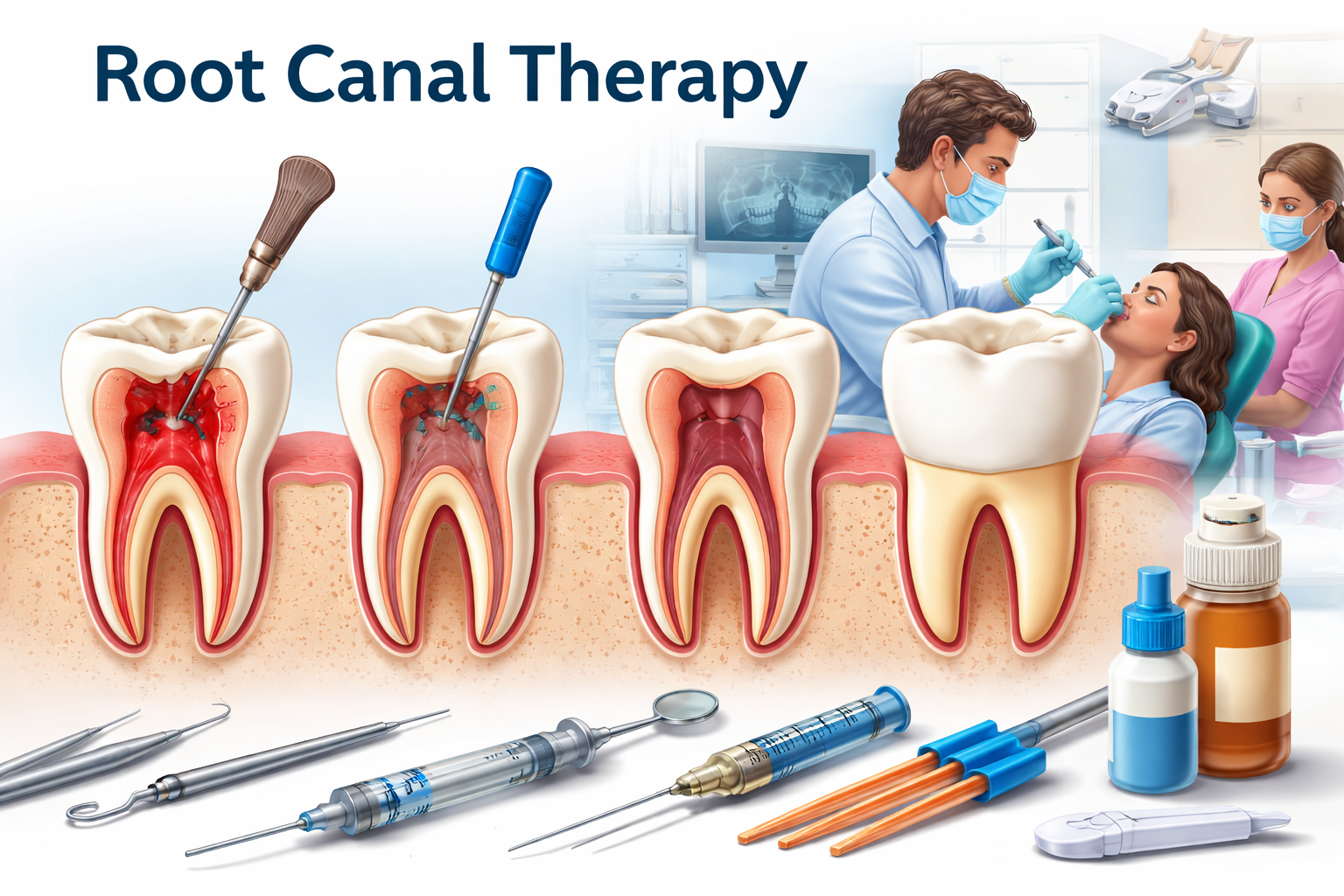
Root canal therapy is one of the most effective dental treatments available for saving a severely damaged or infected tooth. Many people associate the procedure with discomfort, but modern dentistry has made it a safe, efficient, and relatively painless solution. If you are in Durham and dealing with tooth pain, understanding root canal therapy can help you make informed decisions about your oral health.
Understanding Root Canal Therapy
Root canal therapy is a procedure used to treat infection or inflammation inside a tooth. At the center of each tooth is a soft tissue known as pulp, which contains nerves, blood vessels, and connective tissue. When this pulp becomes infected due to deep decay, repeated dental procedures, cracks, or trauma, it can lead to intense pain and serious oral health issues.
The goal of root canal therapy is to remove the infected pulp, clean and disinfect the inner chambers of the tooth, and seal it to prevent further infection. This allows the natural tooth to be preserved rather than extracted.
Common Causes of Tooth Pulp Infection
Several factors can lead to pulp damage or infection, including:
- Untreated cavities that penetrate deep into the tooth
- Cracked or chipped teeth that expose the inner layers
- Trauma or injury to the tooth
- Repeated dental procedures on the same tooth
- Severe gum disease affecting the tooth’s structure
Ignoring these issues can lead to worsening pain and complications, making early diagnosis essential.
Signs and Symptoms That Indicate the Need for a Root Canal
Recognizing early warning signs can prevent further damage. You may need root canal therapy if you experience:
- Persistent or severe toothache
- Prolonged sensitivity to hot or cold foods and drinks
- Swelling or tenderness in the gums
- Darkening or discoloration of the tooth
- Pain when biting or chewing
- A recurring pimple or abscess on the gums
These symptoms should not be ignored, as they often indicate infection that requires immediate attention.
Step-by-Step Root Canal Procedure
Root canal therapy is typically completed in one or two visits, depending on the severity of the infection. Here is a detailed breakdown of the process:
1. Initial Consultation and Diagnosis
The dentist examines the affected tooth and takes X-rays to assess the extent of infection and identify the root canals.
2. Local Anesthesia
The area around the tooth is numbed to ensure a comfortable and pain-free procedure.
3. Access Opening
A small opening is made in the crown of the tooth to reach the infected pulp.
4. Removal of Infected Pulp
Specialized instruments are used to carefully remove the damaged pulp tissue from the canals.
5. Cleaning and Shaping
The root canals are thoroughly cleaned, disinfected, and shaped to prepare them for filling.
6. Filling the Canals
The cleaned canals are filled with a biocompatible material, usually gutta-percha, to seal them and prevent reinfection.
7. Final Restoration
A filling or dental crown is placed to restore the tooth’s strength, function, and appearance.
Benefits of Root Canal Therapy
Choosing root canal therapy offers several advantages:
- Preserves your natural tooth
- Eliminates pain and infection
- Restores normal chewing ability
- Prevents the spread of bacteria to surrounding teeth
- Maintains proper alignment of your bite
- Enhances overall oral health
Saving the natural tooth is often more beneficial than extraction, as it avoids the need for more complex restorative procedures.
Recovery and Aftercare
Recovery after a root canal is usually smooth and straightforward. Mild discomfort or sensitivity is normal for a few days and can be managed with medication.
Aftercare Tips:
- Avoid chewing on the treated tooth until it is fully restored
- Maintain good oral hygiene by brushing and flossing regularly
- Use a soft-bristled toothbrush
- Avoid hard or sticky foods initially
- Attend follow-up appointments for proper monitoring
Following these steps ensures a faster recovery and long-term success of the treatment.
How Long Does a Root Canal Last?
A tooth treated with root canal therapy can last a lifetime with proper care. The longevity depends on factors such as oral hygiene, timely placement of a crown, and regular dental check-ups. Protecting the tooth from excessive pressure or damage also plays a key role.
Root Canal vs Tooth Extraction
When faced with severe tooth damage, patients often wonder whether to choose a root canal or extraction.
- Root Canal Therapy: Preserves the natural tooth, maintains jawbone structure, and avoids additional procedures
- Tooth Extraction: Removes the damaged tooth but may require replacements such as implants or bridges
In most cases, dentists recommend saving the natural tooth whenever possible.
Cost of Root Canal Therapy in Durham
The cost of root canal therapy can vary depending on:
- The location of the tooth (front or molar)
- Severity of the infection
- Need for additional restoration such as crowns
- Dentist’s experience and clinic facilities
While the initial cost may seem significant, it is often more cost-effective than extracting and replacing the tooth.
Choosing the Right Dental Clinic in Durham
Selecting a qualified and experienced dentist is essential for successful treatment. When choosing a clinic, consider:
- Experience and expertise in endodontic procedures
- Availability of advanced technology
- Patient reviews and reputation
- Transparent pricing and consultation process
- Comfortable and hygienic environment
A skilled dentist ensures a smooth procedure and better long-term results.