Dental Crowns in South Durham: Restore Your Smile with Strength and Confidence
Damaged, weakened, or missing teeth can affect more than just your smile. They can make eating uncomfortable, change the way you speak, and lower your confidence in daily life. Fortunately, dental crowns offer a reliable and long-lasting solution for restoring both the appearance and function of your teeth. If you are looking for high-quality dental crowns in South Durham, modern dentistry provides comfortable and effective treatment options designed to protect your oral health while improving your smile.
Dental crowns are one of the most common restorative dental treatments used to repair teeth that are cracked, worn down, decayed, or weakened after procedures such as root canal therapy. With advanced materials and technology, crowns today look more natural than ever and blend seamlessly with your surrounding teeth.
What Are Dental Crowns?
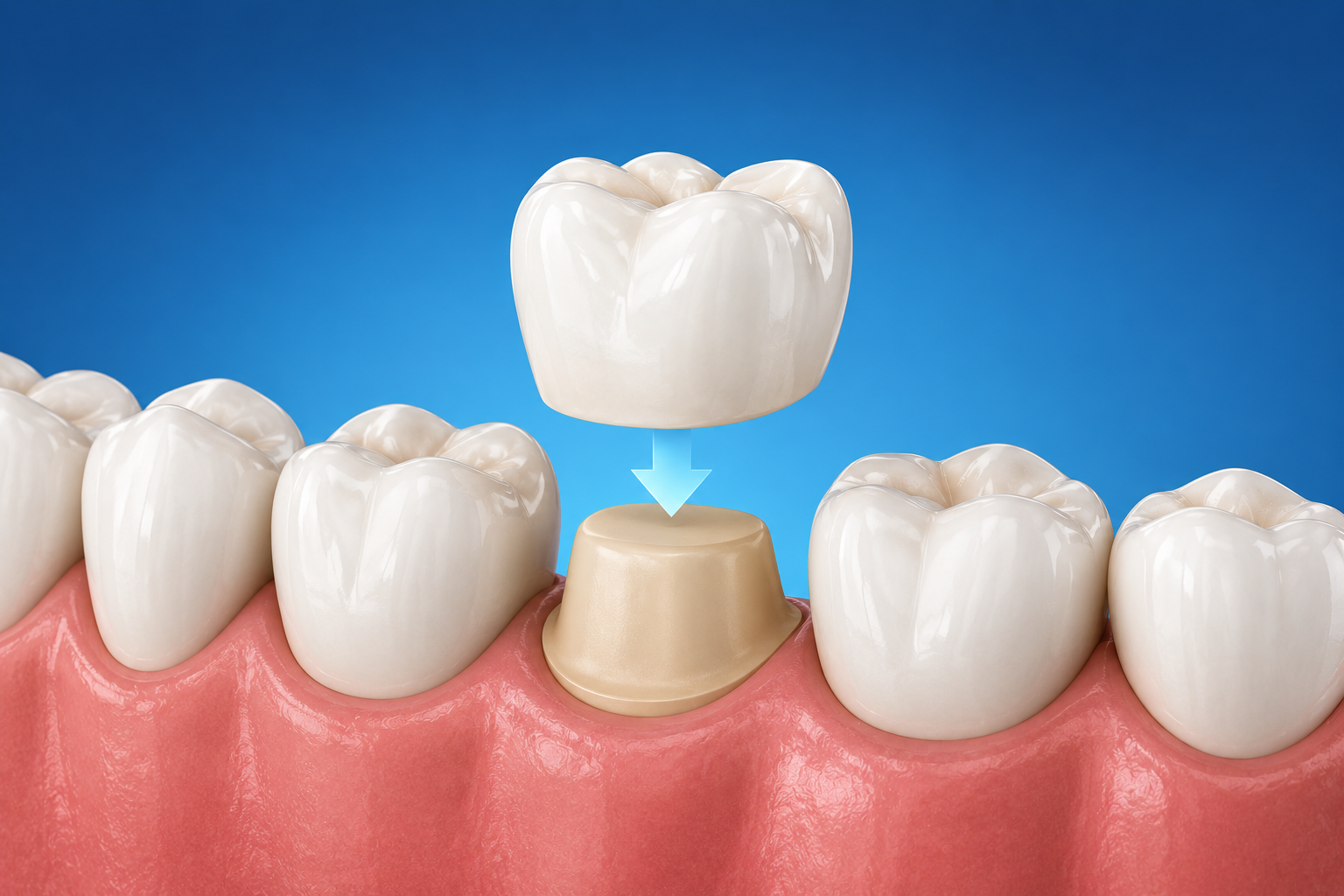
A dental crown is a custom-made cap that completely covers a damaged or weakened tooth. The crown restores the tooth’s size, shape, strength, and appearance while protecting it from further damage. Crowns are carefully designed to match the color and contour of your natural teeth, creating a smooth and attractive smile.
Crowns may be recommended for several dental concerns, including:
- Broken or cracked teeth
- Severe tooth decay
- Worn-down teeth
- Teeth with large fillings
- Teeth after root canal treatment
- Misshapen or discolored teeth
- Dental implants restoration
- Smile enhancement procedures
Dental crowns are durable and can last many years with proper oral hygiene and regular dental checkups.
Types of Dental Crowns
Different materials are available for dental crowns, and your dentist will recommend the best option based on your needs, budget, and cosmetic goals.
Porcelain Crowns
Porcelain crowns are popular because they closely resemble natural teeth. They are ideal for front teeth and patients seeking highly aesthetic results.
Ceramic Crowns
Ceramic crowns provide excellent appearance and are metal-free, making them a good choice for patients with metal allergies.
Metal Crowns
Metal crowns are extremely strong and durable. They are often used for molars where chewing pressure is highest.
Porcelain-Fused-to-Metal Crowns
These crowns combine the strength of metal with the natural appearance of porcelain, offering both durability and aesthetics.
Zirconia Crowns
Zirconia crowns are highly durable and natural-looking. They are resistant to wear and are becoming increasingly popular for both front and back teeth.
Benefits of Dental Crowns
Dental crowns provide both functional and cosmetic advantages for patients of all ages.
Restores Tooth Strength
A crown protects weak or damaged teeth from further cracking or breaking, allowing you to chew comfortably again.
Improves Appearance
Crowns can enhance the shape, size, and color of teeth, improving your overall smile.
Long-Lasting Solution
With proper care, crowns can last for many years, making them a reliable restorative option.
Protects Teeth After Root Canal Therapy
Teeth that have undergone root canal treatment are more fragile. Crowns provide essential protection and support.
Supports Dental Implants
Crowns are commonly used as the visible restoration placed on top of dental implants to replace missing teeth.
The Dental Crown Procedure
Getting a dental crown typically involves two dental visits, although some offices may offer same-day crowns using advanced technology.
Initial Examination and Tooth Preparation
During the first appointment, the dentist examines the tooth and may take X-rays to evaluate its condition. The tooth is then reshaped to make room for the crown. If significant damage or decay is present, the tooth may need additional buildup for support.
Digital Impressions
After preparation, impressions or digital scans are taken to create a custom crown that fits perfectly with your bite and surrounding teeth.
Temporary Crown Placement
A temporary crown may be placed to protect the tooth while the permanent crown is being created in a dental laboratory.
Final Crown Placement
At the second visit, the dentist removes the temporary crown and securely bonds the permanent crown into place. Adjustments are made to ensure comfort and proper bite alignment.
How to Care for Dental Crowns
Maintaining your dental crown is similar to caring for natural teeth. Good oral hygiene helps extend the lifespan of your restoration.
Here are a few care tips:
- Brush twice daily with fluoride toothpaste
- Floss carefully around the crown
- Avoid chewing hard objects like ice
- Visit your dentist regularly for cleanings and exams
- Wear a nightguard if you grind your teeth
Proper care can keep your crown looking and functioning well for many years.
Signs You May Need a Dental Crown
Sometimes it can be difficult to know when a tooth requires additional protection. Common signs include:
- Tooth pain while chewing
- Cracked or chipped teeth
- Large cavities
- Severe tooth wear
- Sensitivity after a root canal
- Weak or broken fillings
If you experience any of these issues, visiting a dentist promptly can prevent more extensive dental problems later.
Why Choose Dental Crowns in South Durham?
Patients in South Durham have access to advanced dental care with modern restorative solutions designed for comfort, durability, and aesthetics. Experienced dental professionals focus on personalized treatment plans that restore oral health while improving confidence.
Whether you need to repair a damaged tooth or complete a smile makeover, dental crowns can provide natural-looking and long-lasting results tailored to your specific needs.
Schedule Your Dental Crown Consultation
If you have a damaged, weakened, or discolored tooth, dental crowns may be the ideal solution for restoring your smile. A consultation with an experienced dental professional can help determine the best treatment plan for your oral health goals.
Modern dental crowns offer strength, beauty, and lasting protection, helping you enjoy a healthier and more confident smile.