Pediatric Dentistry in Durham: Comprehensive Dental Care for Children
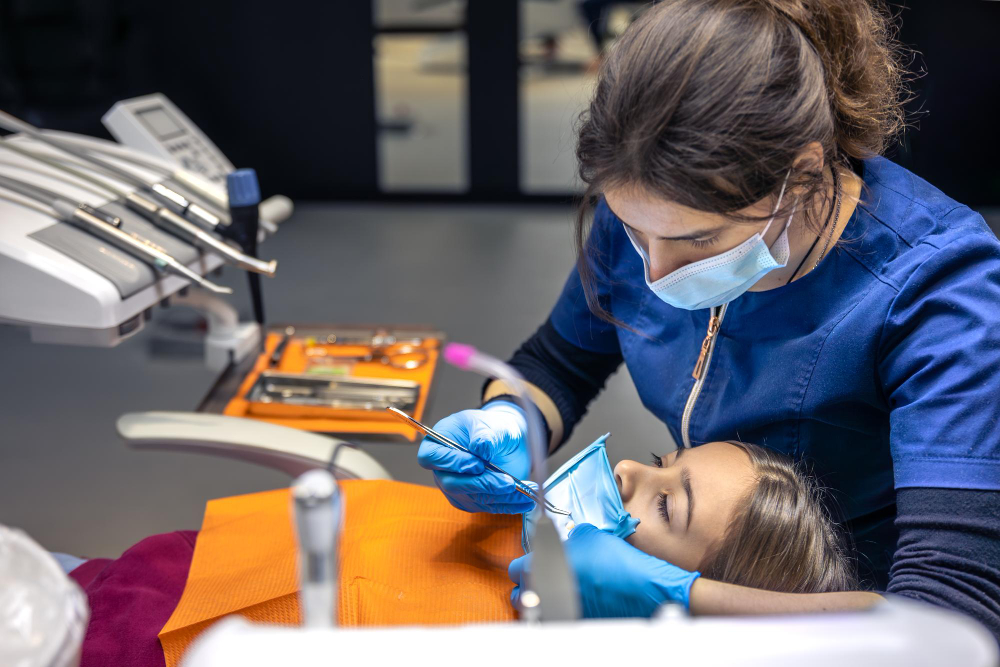
A child’s oral health plays a vital role in their overall well-being and development. Establishing healthy dental habits early can help prevent cavities, gum disease, and other oral health issues that may affect children as they grow. Pediatric dentistry focuses on providing specialized dental care for infants, children, adolescents, and children with special healthcare needs. If you’re looking for trusted pediatric dentistry in Durham, understanding the importance of early dental care can help you make informed decisions for your child’s smile.
What Is Pediatric Dentistry?
Pediatric dentistry is a branch of dentistry dedicated to the oral health of children from infancy through their teenage years. Pediatric dentists receive additional training beyond dental school to understand the unique dental needs of growing children. They are skilled in managing children’s behavior, monitoring dental development, and providing preventive and restorative treatments in a child-friendly environment.
Why Pediatric Dental Care Is Important
Children’s teeth are more vulnerable to cavities and decay than adult teeth. Early dental visits help identify potential issues before they become serious problems. Pediatric dental care offers numerous benefits, including:
- Early detection of dental problems
- Prevention of tooth decay and cavities
- Monitoring of jaw and tooth development
- Education on proper brushing and flossing techniques
- Guidance on nutrition and oral health habits
- Building positive dental experiences for children
Regular dental visits can significantly reduce the risk of future oral health complications and help children develop lifelong healthy habits.
When Should Children First Visit a Dentist?
The American Academy of Pediatric Dentistry recommends that children visit a dentist by their first birthday or within six months after their first tooth erupts. Early visits allow dentists to evaluate oral development, identify any concerns, and educate parents on proper oral care techniques.
Starting dental visits at a young age helps children become comfortable with the dental office and reduces anxiety associated with future appointments.
Common Pediatric Dental Services
Dental Exams and Cleanings
Routine dental exams and professional cleanings are essential for maintaining healthy teeth and gums. During these visits, the dentist checks for cavities, monitors growth and development, and removes plaque and tartar buildup.
Fluoride Treatments
Fluoride strengthens tooth enamel and helps prevent cavities. Pediatric dentists often recommend fluoride treatments to protect children’s teeth from decay.
Dental Sealants
Sealants are thin protective coatings applied to the chewing surfaces of molars. They help prevent food particles and bacteria from accumulating in deep grooves, reducing the risk of cavities.
Cavity Fillings
If a cavity develops, pediatric dentists can restore the affected tooth using tooth-colored fillings. Early treatment helps preserve the tooth and prevent further damage.
Emergency Dental Care
Children can experience dental emergencies such as chipped teeth, knocked-out teeth, or toothaches. Pediatric dentists provide prompt treatment to address these situations and minimize discomfort.
Orthodontic Evaluations
Monitoring the alignment of teeth and jaw development is an important part of pediatric dentistry. Early orthodontic evaluations can identify potential issues and guide future treatment if necessary.
Creating Positive Dental Experiences for Children
One of the primary goals of pediatric dentistry is helping children feel comfortable during dental visits. Pediatric dental offices are often designed with child-friendly environments, colorful décor, and engaging activities to reduce anxiety.
Dentists and staff use gentle communication techniques to explain procedures in ways children can understand. Positive experiences help children develop confidence and maintain regular dental care throughout their lives.
Preventing Cavities in Children
Tooth decay is one of the most common chronic childhood conditions, but it is largely preventable. Parents can help protect their children’s oral health by:
- Encouraging brushing twice daily with fluoride toothpaste
- Teaching proper flossing techniques
- Limiting sugary snacks and beverages
- Providing a balanced, nutritious diet
- Scheduling regular dental checkups
- Using fluoride treatments and dental sealants when recommended
Consistent preventive care can significantly reduce the likelihood of cavities and other dental issues.
The Role of Parents in Pediatric Oral Health
Parents play a critical role in establishing healthy dental habits. Young children often need assistance with brushing and flossing until they develop the coordination to do it effectively on their own.
Parents should also monitor dietary habits, encourage regular dental visits, and serve as positive role models for oral hygiene practices. A strong partnership between parents and pediatric dentists helps ensure optimal oral health outcomes.
Choosing the Right Pediatric Dentist in Durham
When selecting a pediatric dentist, consider factors such as experience, specialized training, office environment, and patient reviews. A welcoming and compassionate dental team can make a significant difference in your child’s comfort and confidence.
Look for a dental practice that emphasizes preventive care, patient education, and personalized treatment plans tailored to your child’s unique needs.
Conclusion
Pediatric dentistry in Durham provides essential care that supports healthy smiles from infancy through adolescence. Regular dental visits, preventive treatments, and positive dental experiences help children maintain strong teeth and healthy gums throughout their lives. By partnering with a trusted pediatric dentist and encouraging good oral hygiene habits at home, parents can give their children the foundation for a lifetime of excellent oral health.