Restorative Dentistry in Durham: Restore Your Smile, Confidence, and Oral Health
A healthy smile is essential for your confidence, comfort, and overall well-being. However, damaged, decayed, or missing teeth can make everyday activities like eating, speaking, and smiling more challenging. Fortunately, restorative dentistry offers effective solutions to repair your teeth and restore your oral health. If you’re looking for restorative dentistry in Durham, modern dental treatments can help you regain a beautiful, functional smile that lasts for years.
Whether you have a cavity, a broken tooth, or several missing teeth, restorative dentistry focuses on rebuilding your smile while preserving as much of your natural tooth structure as possible.
What Is Restorative Dentistry?
Restorative dentistry is a branch of dental care that diagnoses, treats, and repairs damaged or missing teeth. The primary goal is to restore the function, health, and appearance of your teeth while preventing future dental problems.
Unlike cosmetic dentistry, which mainly improves aesthetics, restorative dentistry addresses structural issues that affect your ability to chew, speak, and maintain proper oral health.
Modern restorative treatments use advanced materials that closely resemble natural teeth, ensuring both durability and a natural-looking appearance.
Who Needs Restorative Dentistry?
You may benefit from restorative dentistry if you experience:
- Tooth decay or cavities
- Chipped or cracked teeth
- Broken teeth due to accidents
- Missing one or more teeth
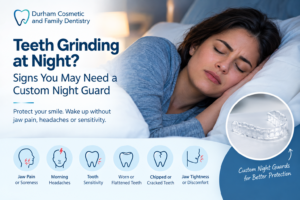
- Worn-down teeth from grinding
- Large fillings that need replacement
- Tooth infections requiring root canal treatment
- Difficulty chewing food
- Jaw discomfort caused by missing teeth
Early treatment can prevent more extensive dental procedures in the future.
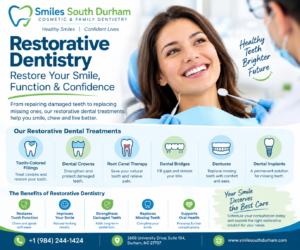
Common Restorative Dentistry Treatments
Dental Fillings
Dental fillings repair teeth affected by cavities. Tooth-colored composite fillings blend naturally with your smile while restoring the tooth’s strength and function.
Dental Crowns
A dental crown covers a weakened or severely damaged tooth, protecting it from further damage. Crowns are commonly recommended after root canal treatment or for teeth with large fractures.
Dental Bridges
Dental bridges replace one or more missing teeth by using neighboring teeth as support. Bridges restore chewing ability and help maintain proper tooth alignment.
Dental Implants
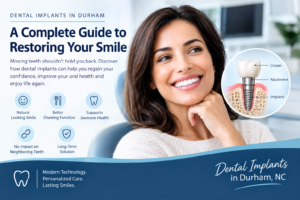
Dental implants are considered one of the most reliable long-term solutions for missing teeth. They replace both the tooth root and the visible tooth, offering exceptional stability, comfort, and a natural appearance.
Dentures
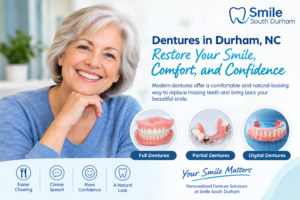
Full and partial dentures restore multiple missing teeth, improving both function and appearance. Today’s dentures are more comfortable, secure, and natural-looking than ever before.
Root Canal Therapy
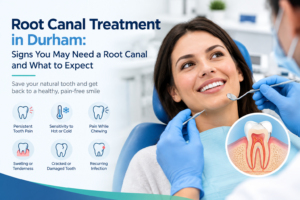
When infection reaches the inner pulp of a tooth, root canal treatment removes the infection while preserving the natural tooth. A crown is often placed afterward to strengthen the treated tooth.
Inlays and Onlays
When damage is too extensive for a filling but doesn’t require a full crown, inlays and onlays provide a conservative restorative solution that strengthens the tooth.
Benefits of Restorative Dentistry
Restorative dental treatments provide numerous long-term benefits, including:
- Restores normal chewing and speaking
- Improves smile appearance
- Prevents further tooth damage
- Reduces the risk of tooth loss
- Helps maintain proper jaw alignment
- Improves oral health
- Enhances self-confidence
- Provides durable, long-lasting solutions
Why Early Treatment Matters
Ignoring damaged or missing teeth can lead to more serious oral health problems, including:
- Increased tooth decay
- Gum disease
- Bone loss
- Tooth shifting
- Bite problems
- Jaw pain
- Additional tooth loss
Seeking restorative care early often results in simpler, less expensive treatment while preserving more of your natural teeth.
Advanced Technology in Restorative Dentistry
Modern dental practices use advanced technology to improve accuracy, comfort, and treatment outcomes. These technologies may include:
- Digital X-rays
- Intraoral cameras
- Digital impressions
- 3D imaging
- CAD/CAM dental restorations
- Laser-assisted procedures
These innovations help create restorations that fit comfortably and look remarkably natural.
Caring for Your Restored Teeth
Proper oral hygiene helps extend the life of your dental restorations.
Maintain your restored smile by:
- Brushing twice daily with fluoride toothpaste
- Flossing every day
- Limiting sugary foods and drinks
- Wearing a night guard if you grind your teeth
- Visiting your dentist for regular cleanings and exams
- Avoiding chewing on hard objects like ice or pens
Consistent care allows restorations to remain strong and functional for many years.
Why Choose Restorative Dentistry in Durham?
Patients in Durham benefit from experienced dental professionals who offer personalized treatment plans using the latest techniques and materials. Every smile is unique, and treatment is customized based on your dental health, goals, and budget.
Whether you need a simple filling or a full-mouth restoration, comprehensive restorative dentistry helps improve both oral health and quality of life.
Restore Your Smile with Expert Restorative Dental Care
Damaged or missing teeth don’t have to affect your daily life. Restorative dentistry provides safe, effective, and long-lasting solutions that restore your smile’s function, appearance, and strength. From dental fillings and crowns to implants and bridges, today’s advanced treatments help patients enjoy healthier smiles with renewed confidence.