Gum Health Treatment in Durham
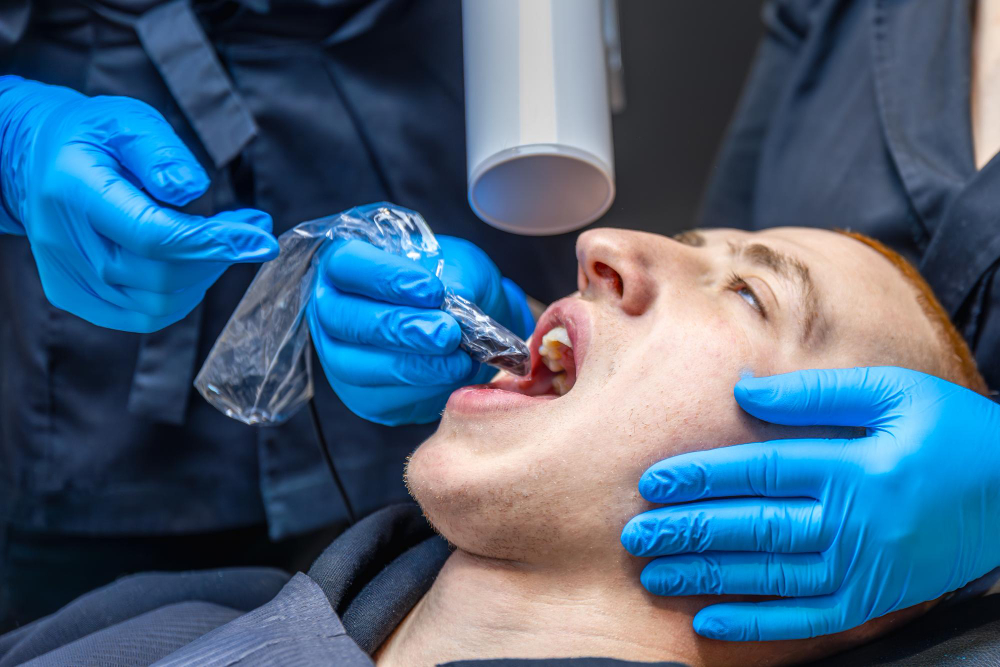
Maintaining healthy gums is just as important as keeping your teeth clean. Gum health plays a crucial role in your overall oral hygiene and even impacts your general health. If you are experiencing symptoms like bleeding gums, bad breath, or gum recession, seeking professional gum health treatment in Durham can help prevent more serious conditions such as periodontal disease.
Understanding Gum Health
Gums, also known as gingiva, are the soft tissues that surround and support your teeth. Healthy gums are firm, pink, and do not bleed during brushing or flossing. However, poor oral hygiene, plaque buildup, smoking, and certain medical conditions can lead to gum problems.
The two most common types of gum disease include:
- Gingivitis – The early stage of gum disease, characterized by redness, swelling, and bleeding gums.
- Periodontitis – A more advanced condition that can lead to gum recession, bone loss, and even tooth loss if left untreated.
Common Signs You May Need Gum Treatment
Recognizing early warning signs can help you seek treatment before the condition worsens:
- Bleeding while brushing or flossing
- Persistent bad breath
- Swollen, red, or tender gums
- Receding gum line
- Loose or shifting teeth
- Pain while chewing
If you notice any of these symptoms, it is important to consult a dental professional promptly.
Causes of Gum Disease
Several factors contribute to poor gum health:
- Poor oral hygiene habits
- Plaque and tartar buildup
- Smoking or tobacco use
- Hormonal changes (pregnancy, menopause)
- Diabetes and other health conditions
- Genetic predisposition
Understanding these causes helps in both prevention and treatment planning.
Gum Health Treatment Options in Durham
Dental clinics in Durham offer a variety of treatments depending on the severity of the condition:
1. Professional Dental Cleaning
Routine cleanings remove plaque and tartar buildup that cannot be eliminated through regular brushing.
2. Scaling and Root Planing
This deep cleaning procedure removes bacteria from below the gum line and smooths the tooth roots to help gums reattach.
3. Antibiotic Therapy
Dentists may prescribe topical or oral antibiotics to control bacterial infection.
4. Laser Gum Therapy
A minimally invasive treatment that uses laser technology to remove infected tissue and promote healing.
5. Surgical Treatments
In severe cases, procedures like flap surgery or gum grafting may be required to restore gum health.
Importance of Early Treatment
Ignoring gum issues can lead to serious complications, including tooth loss and increased risk of systemic conditions such as heart disease and diabetes. Early intervention not only saves your teeth but also reduces treatment costs and discomfort.
Preventing Gum Disease
Good oral care habits can significantly reduce your risk:
- Brush twice daily using fluoride toothpaste
- Floss regularly to remove plaque between teeth
- Visit your dentist for regular check-ups
- Avoid smoking and tobacco products
- Maintain a balanced diet rich in vitamins
Consistency in these habits is key to long-term gum health.
Choosing the Right Dentist in Durham
When looking for gum health treatment, consider:
- Experience in periodontal care
- Availability of advanced technology
- Patient reviews and reputation
- Personalized treatment plans
A qualified dental professional will assess your condition and recommend the most effective treatment for your needs.