Implant Dentistry in Durham: A Complete Guide to Restoring Your Smile
Dental implants have transformed modern dentistry, offering a reliable and long-lasting solution for missing teeth. If you’re considering implant dentistry in Durham, understanding the process, benefits, and care involved can help you make a confident and informed decision.
What Is Implant Dentistry?
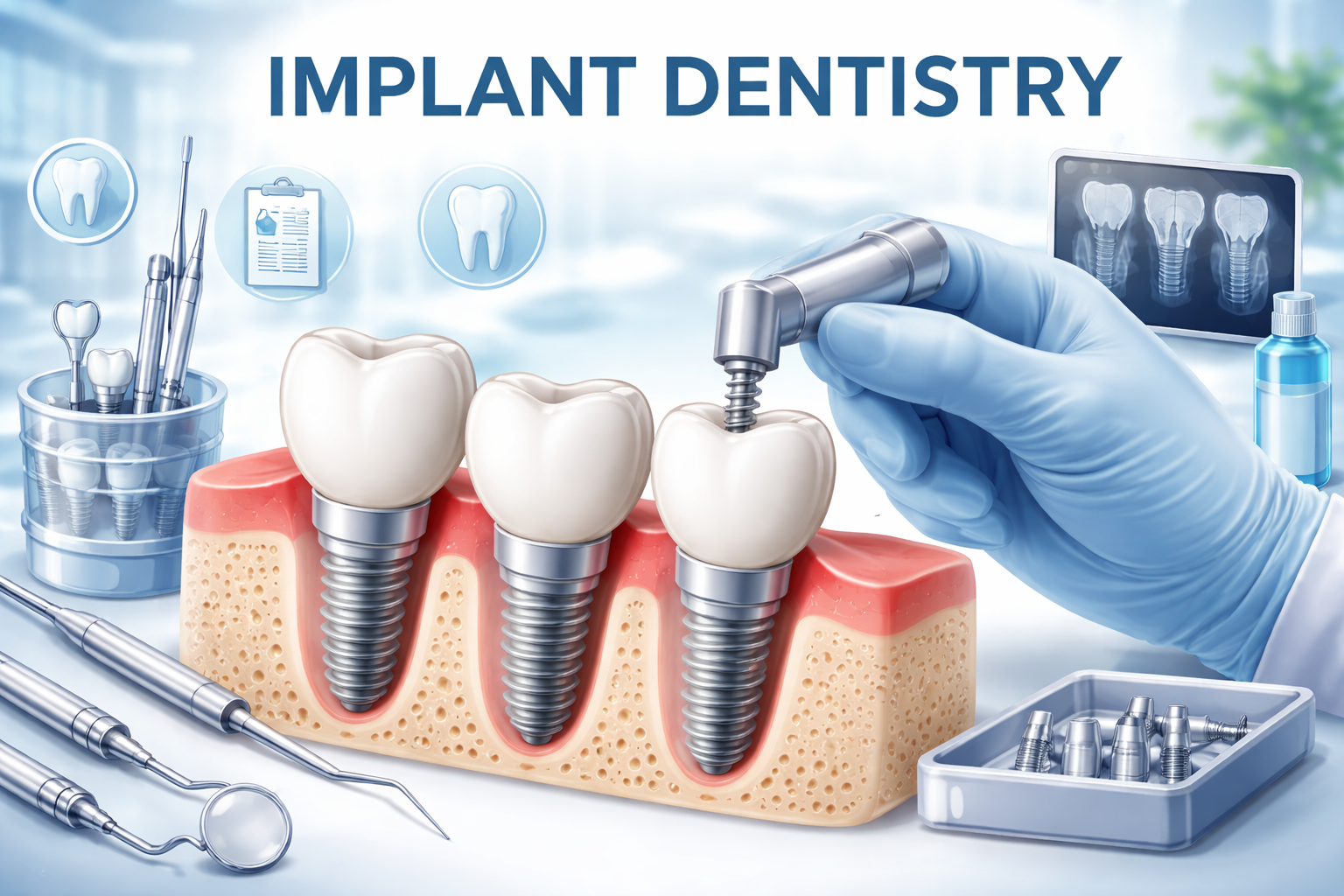
Implant dentistry focuses on replacing missing teeth using dental implants—small titanium posts that are surgically placed into the jawbone. These implants act as artificial tooth roots, providing a strong foundation for crowns, bridges, or dentures.
Unlike traditional tooth replacement methods, implants are designed to fuse with the bone through a process called osseointegration, ensuring stability and durability.
Why Choose Dental Implants?
Dental implants are widely regarded as the gold standard for tooth replacement. Here’s why:
1. Natural Look and Feel
Implants closely mimic the appearance and function of natural teeth, allowing you to smile, speak, and eat with confidence.
2. Long-Term Solution
With proper care, dental implants can last for decades, making them a cost-effective investment over time.
3. Improved Oral Health
Unlike bridges, implants do not require the alteration of adjacent teeth, preserving your natural tooth structure.
4. Bone Preservation
Implants stimulate the jawbone, preventing bone loss that typically occurs after tooth loss.
5. Enhanced Comfort and Stability
They eliminate the discomfort and slipping often associated with removable dentures.
Types of Dental Implants
Depending on your dental needs, implant dentistry in Durham offers several options:
- Single Tooth Implants: Ideal for replacing one missing tooth
- Implant-Supported Bridges: Used when multiple teeth are missing
- Full-Arch Implants (All-on-4/All-on-6): Replace an entire set of teeth
- Mini Implants: Smaller implants used in specific cases with limited bone density
The Dental Implant Process
The implant procedure typically involves multiple steps spread over several months:
1. Initial Consultation
Your dentist evaluates your oral health, bone density, and medical history. Imaging such as X-rays or 3D scans may be used.
2. Implant Placement
A titanium post is surgically inserted into the jawbone under local anesthesia.
3. Healing and Osseointegration
Over the next few months, the implant fuses with the bone, creating a secure foundation.
4. Abutment Placement
A connector (abutment) is attached to the implant.
5. Crown Placement
A custom-made crown is fixed onto the abutment, completing the restoration.
Who Is a Good Candidate?
Most adults with good oral and general health are suitable candidates for dental implants. Ideal candidates typically have:
- Healthy gums
- Adequate jawbone density
- No uncontrolled chronic conditions (like diabetes)
- A commitment to good oral hygiene
Even if you lack sufficient bone, procedures like bone grafting can make implants possible.
Recovery and Aftercare
Recovery after implant surgery is usually smooth, with mild discomfort that subsides within a few days. To ensure long-term success:
- Maintain excellent oral hygiene
- Brush and floss daily
- Visit your dentist regularly for checkups
- Avoid smoking, as it can hinder healing
Cost of Implant Dentistry in Durham
The cost of dental implants can vary depending on factors such as:
- Number of implants needed
- Type of restoration (crown, bridge, or denture)
- Additional procedures (bone grafting, sinus lift)
- Dentist’s expertise and technology used
While implants may have a higher upfront cost compared to other options, their longevity and benefits often make them a worthwhile investment.
Choosing the Right Implant Dentist in Durham
When selecting a dental implant provider, consider:
- Experience and qualifications
- Use of advanced technology (3D imaging, guided surgery)
- Patient reviews and testimonials
- Comprehensive consultation and personalized treatment plans
A skilled implant dentist can significantly impact the success and longevity of your treatment.