Restorative Dentistry in Durham: Restoring Your Smile and Oral Health
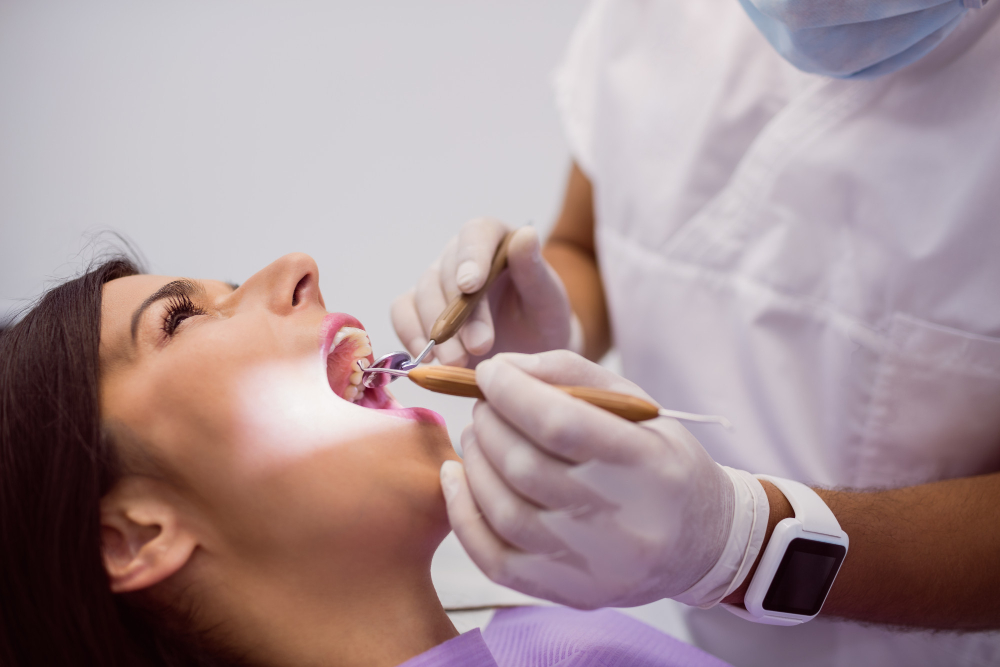
Restorative dentistry focuses on repairing and replacing damaged or missing teeth to bring back both function and aesthetics. If you are dealing with tooth decay, fractures, or tooth loss, restorative dental treatments can help you regain a healthy, confident smile. In a growing city like Durham, access to advanced dental care ensures patients receive high-quality treatments tailored to their needs.
What is Restorative Dentistry?
Restorative dentistry includes a range of procedures designed to restore the structure and function of teeth. These treatments not only improve the appearance of your smile but also enhance oral health by preventing further complications.
Common restorative procedures include:
- Dental fillings
- Crowns and bridges
- Dental implants
- Dentures
- Root canal therapy
Each treatment is customized based on the severity of the dental issue and the patient’s oral health condition.
Importance of Restorative Dental Care
Ignoring dental problems can lead to serious complications such as infections, bone loss, and difficulty in chewing or speaking. Restorative dentistry helps:
- Prevent further tooth damage
- Restore proper chewing function
- Improve speech clarity
- Maintain facial structure
- Boost confidence and self-esteem
With modern techniques and materials, treatments are now more comfortable, durable, and natural-looking than ever before.
Common Restorative Treatments
1. Dental Fillings
Fillings are used to repair cavities caused by tooth decay. Tooth-colored composite fillings blend seamlessly with natural teeth, making them a popular choice.
2. Dental Crowns
Crowns are caps placed over damaged teeth to restore their shape, size, and strength. They are often recommended after root canal treatments or for severely worn teeth.
3. Dental Bridges
Bridges replace one or more missing teeth by anchoring artificial teeth to adjacent natural teeth. This helps restore both appearance and function.
4. Dental Implants
Dental implants are a long-term solution for missing teeth. They involve placing a titanium post into the jawbone, which acts as a root for a replacement tooth.
5. Dentures
Dentures are removable appliances used to replace multiple missing teeth. They can be partial or complete depending on the patient’s needs.
Benefits of Choosing Restorative Dentistry in Durham
Residents of Durham benefit from access to modern dental clinics equipped with advanced technology. Dentists in the area focus on patient comfort, precision, and long-lasting results. Whether you need a simple filling or a full-mouth restoration, treatment plans are personalized to ensure optimal outcomes.
How to Know If You Need Restorative Dentistry
You may need restorative dental care if you experience:
- Tooth pain or sensitivity
- Visible cavities or dark spots
- Cracked or chipped teeth
- Missing teeth
- Difficulty chewing
Early diagnosis and treatment can prevent more complex procedures in the future.
Maintaining Your Restored Smile
After undergoing restorative treatment, maintaining good oral hygiene is essential:
- Brush twice daily with fluoride toothpaste
- Floss regularly
- Visit your dentist for routine check-ups
- Avoid hard foods that can damage restorations
Proper care ensures your restorations last longer and keep your smile healthy.