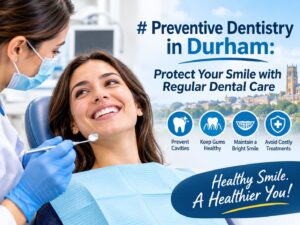
Preventive Dentistry in Durham: Protect Your Smile with Regular Dental Care
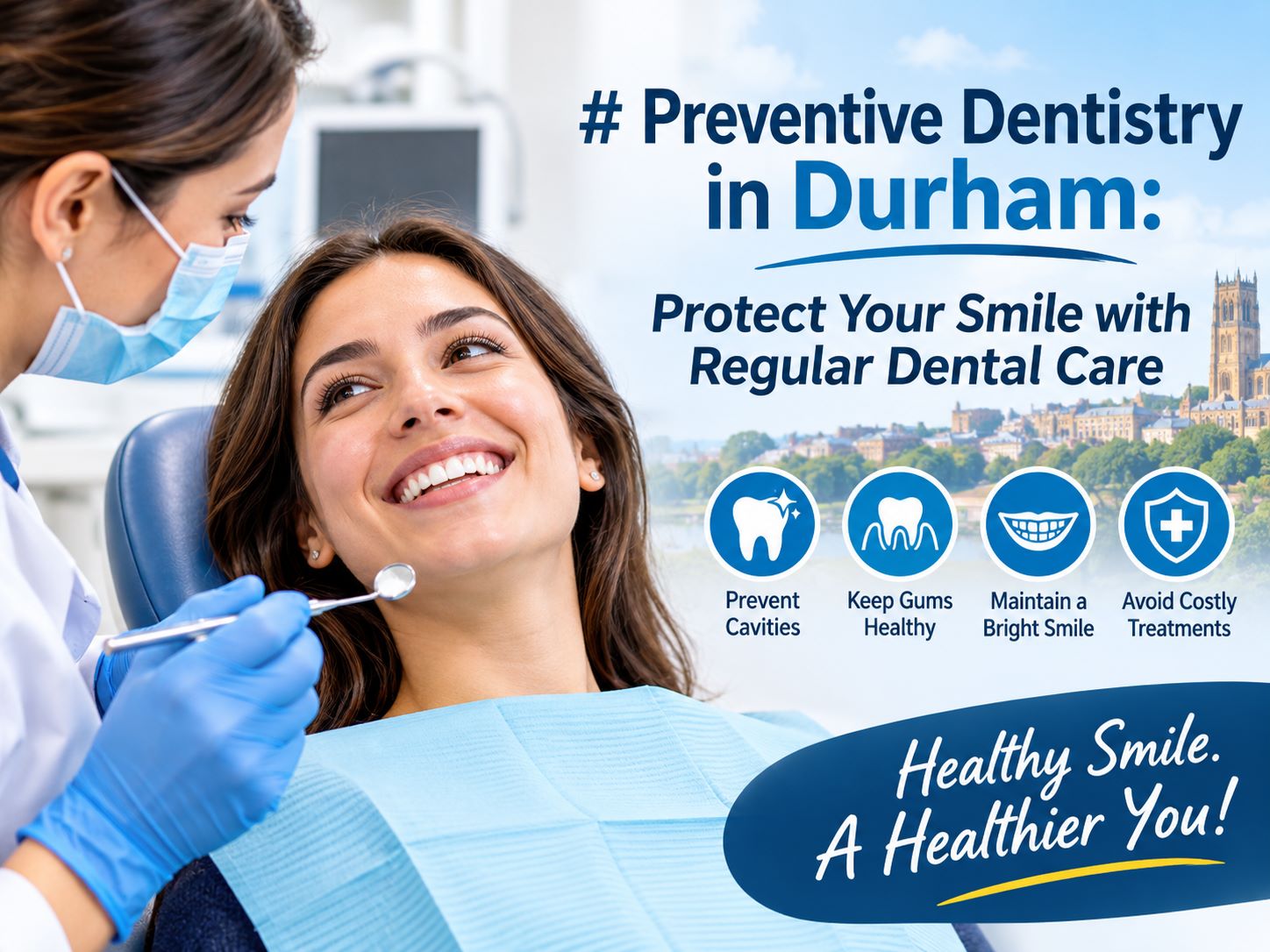
Maintaining healthy teeth and gums is important for a beautiful smile and overall oral health. Regular dental checkups, professional cleanings, and good oral hygiene habits can help prevent common dental problems before they become more serious. If you are looking for Preventive Dentistry in Durham, understanding the importance of preventive dental care is a great first step toward maintaining a healthy smile.
Preventive dentistry focuses on protecting your teeth, identifying early signs of dental problems, and helping you maintain good oral health at every stage of life. With regular dental visits and proper home care, you can reduce your risk of cavities, gum disease, and other oral health concerns.
1. What Is Preventive Dentistry?
| Main Points | Description |
|---|---|
| Meaning of Preventive Dentistry | Preventive dentistry includes dental services and daily oral hygiene practices that help protect your teeth and gums from common dental problems. |
| Main Goal | To identify potential issues early and maintain healthy teeth through regular dental care. |
| Routine Dental Examinations | Regular dental checkups to monitor teeth and gum health. |
| Professional Teeth Cleanings | Removing plaque and tartar buildup from teeth. |
| Digital Dental X-rays | Dental imaging when needed to identify hidden dental concerns. |
| Fluoride Treatments | Helping strengthen tooth enamel and protect against cavities. |
| Dental Sealants | Protective coatings that help prevent tooth decay. |
| Gum Health Evaluations | Checking gums for signs of inflammation and other problems. |
| Oral Cancer Screenings | Examining the mouth for unusual changes that may need further evaluation. |
| Personalized Oral Hygiene Guidance | Providing recommendations for brushing, flossing, and daily dental care. |
| Overall Benefit | Regular preventive appointments allow dental professionals to monitor changes in your oral health and recommend appropriate care. |
2. Why Is Preventive Dentistry Important?
| Main Points | Description |
|---|---|
| Importance of Preventive Care | Preventive dental care plays an important role in maintaining healthy teeth and gums. |
| Early Problem Detection | Small dental problems can become more complicated when they are not identified and treated early. |
| Helps Prevent Cavities | Regular cleanings and good oral hygiene help control plaque buildup and reduce the risk of tooth decay. |
| Supports Healthy Gums | Dental examinations can help identify early signs of gum inflammation and periodontal problems. |
| Detects Dental Problems Early | Routine checkups help identify potential issues before they become more serious. |
| Maintains Fresh Breath | Professional cleanings and proper oral hygiene can help reduce bacteria associated with bad breath. |
| Protects Natural Teeth | Consistent preventive care helps support long-term oral health and preserve your natural teeth. |
| Supports Overall Oral Health | Healthy teeth and gums make everyday activities such as eating, speaking, and smiling more comfortable. |
3. Professional Dental Cleanings in Durham
| Main Points | Description |
|---|---|
| Importance of Professional Cleaning | Professional dental cleanings are an important part of preventive dentistry. |
| Plaque and Tartar Buildup | Even with regular brushing and flossing, plaque and hardened tartar can accumulate in areas that are difficult to clean at home. |
| Cleaning Process | A dental hygienist typically removes plaque and tartar buildup and cleans the surfaces of your teeth. |
| Removing Plaque and Tartar | Helps remove accumulated plaque and hardened tartar from teeth. |
| Reducing Gum Disease Risk | Professional cleaning helps reduce the risk of gum disease. |
| Supporting Healthy Gums | Regular cleaning supports healthier gums. |
| Improving Oral Hygiene | Helps maintain better overall oral hygiene. |
| Identifying Dental Concerns | Helps identify areas that need additional attention. |
| Personalized Cleaning Schedule | Your dentist can recommend a cleaning schedule based on your gum health, dental history, and individual oral health needs. |
4. Routine Dental Exams and Checkups
| Main Points | Description |
|---|---|
| Importance of Dental Examinations | Routine dental examinations help monitor your teeth, gums, and overall oral health. |
| Dental Checkup Process | Your dentist may examine your teeth for cavities, evaluate your gums, check existing dental work, and look for other changes that may require attention. |
| Checking Tooth Decay | Examining teeth for signs of cavities and tooth decay. |
| Evaluating Gum Health | Checking gums for inflammation and other concerns. |
| Existing Dental Work | Examining existing fillings and crowns. |
| Reviewing Oral Health | Monitoring changes in your overall oral health. |
| Dental X-rays | Recommending dental X-rays when appropriate. |
| Personalized Treatment Options | Discussing treatment recommendations based on individual dental needs. |
| Overall Benefit | Regular dental exams help identify problems that may not be noticeable at home. |
5. Fluoride Treatments for Stronger Teeth
| Main Points | Description |
|---|---|
| What Is Fluoride? | Fluoride is a mineral that helps strengthen tooth enamel and protect against tooth decay. |
| Recommended Patients | Professional fluoride treatments may be recommended for children and adults who could benefit from additional cavity protection. |
| Strengthening Tooth Enamel | Helps make tooth enamel stronger. |
| Enamel Remineralization | Supports the remineralization process of tooth enamel. |
| Preventing Cavities | Helps reduce the risk of tooth decay. |
| Additional Cavity Protection | Provides additional protection for patients at increased risk of tooth decay. |
| Professional Recommendation | Your dentist can determine whether professional fluoride treatment is suitable for your dental health needs. |
6. Dental Sealants for Cavity Prevention
Dental sealants are thin protective coatings applied to the chewing surfaces of certain teeth, particularly the back molars.
The grooves of back teeth can collect food particles and plaque, making them more difficult to clean thoroughly. Sealants create a protective barrier that helps reduce the risk of cavities in these areas.
Dental sealants may be recommended for:
- Children with newly erupted permanent molars
- Teenagers who are at risk of tooth decay
- Patients with deep grooves in their teeth
- Individuals who may benefit from additional cavity protection
Your dentist can evaluate your teeth and recommend sealants when appropriate.
7. Preventive Gum Care and Periodontal Health
Healthy gums are essential for maintaining strong teeth. Gum disease can develop when plaque accumulates around the teeth and gumline.
Common signs of gum problems include:
- Red or swollen gums
- Bleeding while brushing or flossing
- Persistent bad breath
- Gum tenderness
- Receding gums
Preventive gum care may include professional cleanings, gum examinations, improved brushing and flossing techniques, and additional periodontal treatment when necessary.
If you notice persistent bleeding or swelling, schedule a dental evaluation rather than ignoring the symptoms.
8. Daily Oral Hygiene Tips to Maintain Healthy Teeth
Preventive dentistry does not stop when you leave the dental office. Your daily oral hygiene habits are equally important for maintaining healthy teeth and gums.
Follow these simple habits:
Brush Twice Daily: Brush your teeth twice a day using fluoride toothpaste and a soft-bristled toothbrush.
Floss Every Day: Clean between your teeth to remove plaque and food particles that brushing may miss.
Limit Sugary Foods and Drinks: Frequent exposure to sugary foods and drinks can increase the risk of tooth decay.
Drink Plenty of Water: Water helps keep your mouth hydrated and supports normal saliva production.
Replace Your Toothbrush Regularly: Replace your toothbrush approximately every three to four months, or sooner if the bristles become worn.
Visit Your Dentist Regularly: Follow a dental visit schedule recommended for your individual oral health needs.
9. Preventive Dentistry for Children and Adults
Preventive dental care is important for people of all ages. However, dental needs can change throughout life.
Preventive Dentistry for Children
Children benefit from early dental visits and proper oral hygiene education. Preventive care may include dental examinations, cleanings, fluoride treatments, and sealants when appropriate.
Parents can help children develop healthy habits by encouraging regular brushing, limiting sugary snacks, and scheduling dental appointments.
Preventive Dentistry for Adults
Adults should continue regular dental checkups and cleanings to monitor tooth decay, gum health, and existing dental restorations.
Patients with a history of gum disease, frequent cavities, or other dental concerns may need a personalized preventive care schedule.
Preventive Dentistry for Seniors
Older adults may experience dry mouth, gum recession, tooth wear, and other oral health changes.
Regular examinations help monitor these concerns and support the maintenance of natural teeth and oral health.
10. How Often Should You Visit a Dentist?
Many people are familiar with visiting a dentist every six months for a checkup and cleaning. However, the ideal frequency can vary depending on individual oral health needs.
Your dentist may recommend more frequent visits if you have:
- A history of gum disease
- Frequent cavities
- Heavy plaque or tartar buildup
- Certain medical or oral health conditions
- Previous dental treatment requiring monitoring
Following a personalized dental care schedule helps ensure that potential problems are monitored appropriately.
11. Choosing Preventive Dentistry in Durham
Choosing the right dental practice is an important step toward maintaining long-term oral health.
When looking for preventive dentistry in Durham, consider the following factors:
Range of Preventive Services: Look for a dental practice that provides examinations, professional cleanings, and other appropriate preventive treatments.
Qualified Dental Professionals: Choose a practice with qualified professionals who can evaluate your dental health and explain treatment recommendations.
Clear Communication: Your dental team should explain examination findings and answer your questions.
Convenient Appointments: Consider office hours and appointment availability when selecting a dental practice.
Patient Experience: Look for a practice that prioritizes patient comfort, communication, and personalized care.
A suitable dental provider can help you build a preventive care routine based on your needs.
Conclusion
Maintaining healthy teeth and gums requires consistent care, good oral hygiene, and regular dental checkups. Preventive dentistry helps identify potential dental concerns early, reduce the risk of common oral health problems, and support long-term dental wellness.
If you are searching for Preventive Dentistry in Durham, consider making routine dental examinations and professional cleanings part of your oral health routine. Taking preventive steps today can help protect your smile for years to come.